
After studying the components of exposure and how to lighten an image, I was able to learn a lot about aperture, shutter speed, and ISO. I learned how each setting interacts with each other and impacts the image. I used images from http://www.pexels.com to demonstrate each principle I discuss.

This picture is a good example of wide aperture, the girl and the cat are in focus while the background isn’t. This image has a shallow depth of field because less of it is in focus. Because the aperture was larger, letting more light come in, the photographer was able achieve this effect.
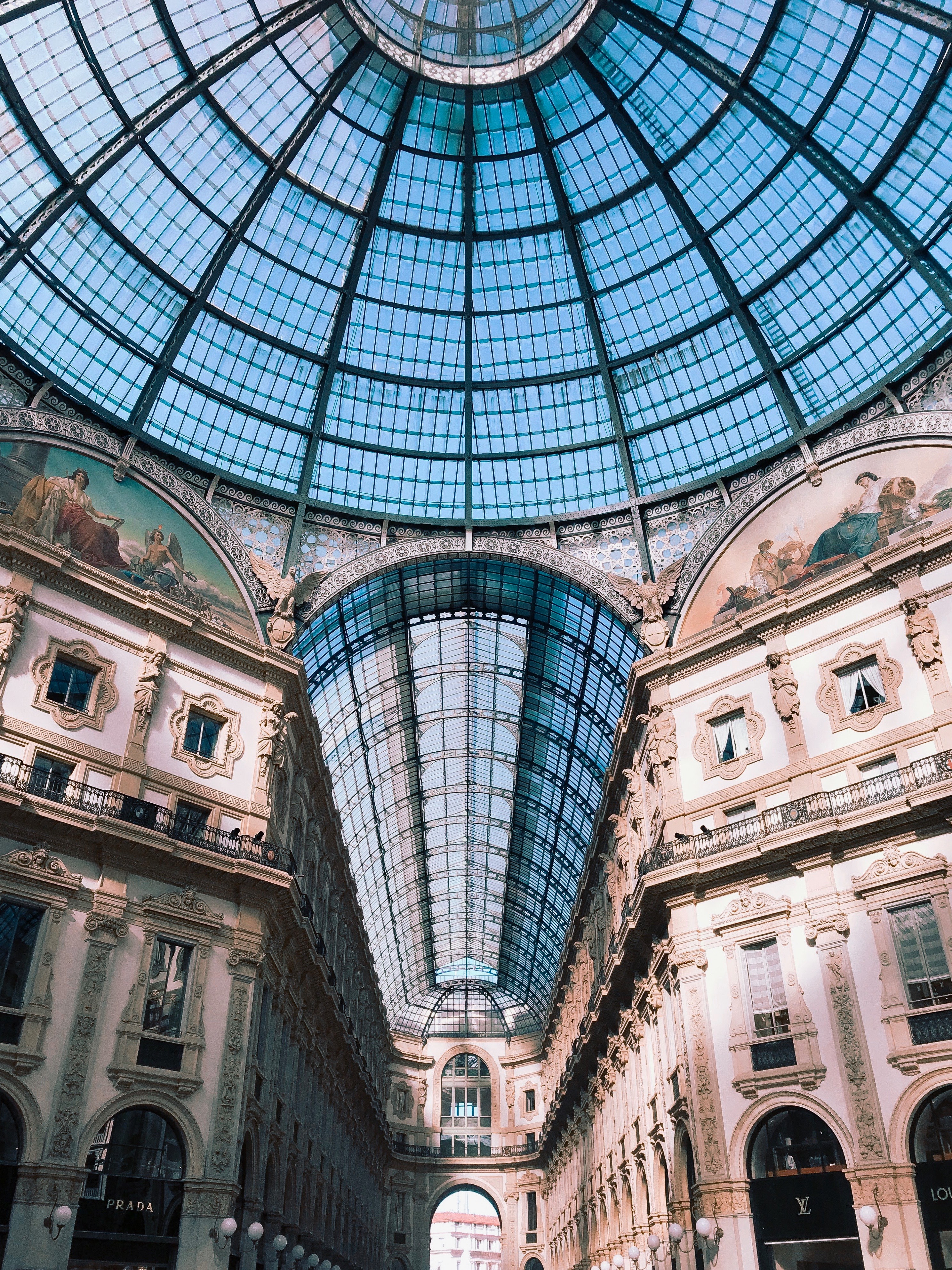
A narrow aperture was used to capture the picture above. Less light was let into the picture by using a larger aperture number, such as f/11. More is in focus, unlike the first image, because less light entered. This image has a wider depth of field because of the smaller aperture used.

This image illustrates the use of a fast shutter speed. The amount of time that the sensor was exposed to light was quick, resulting in a second or moment being capture without movement or blur. Because the shutter speed was fast, less light was capture in this picture.
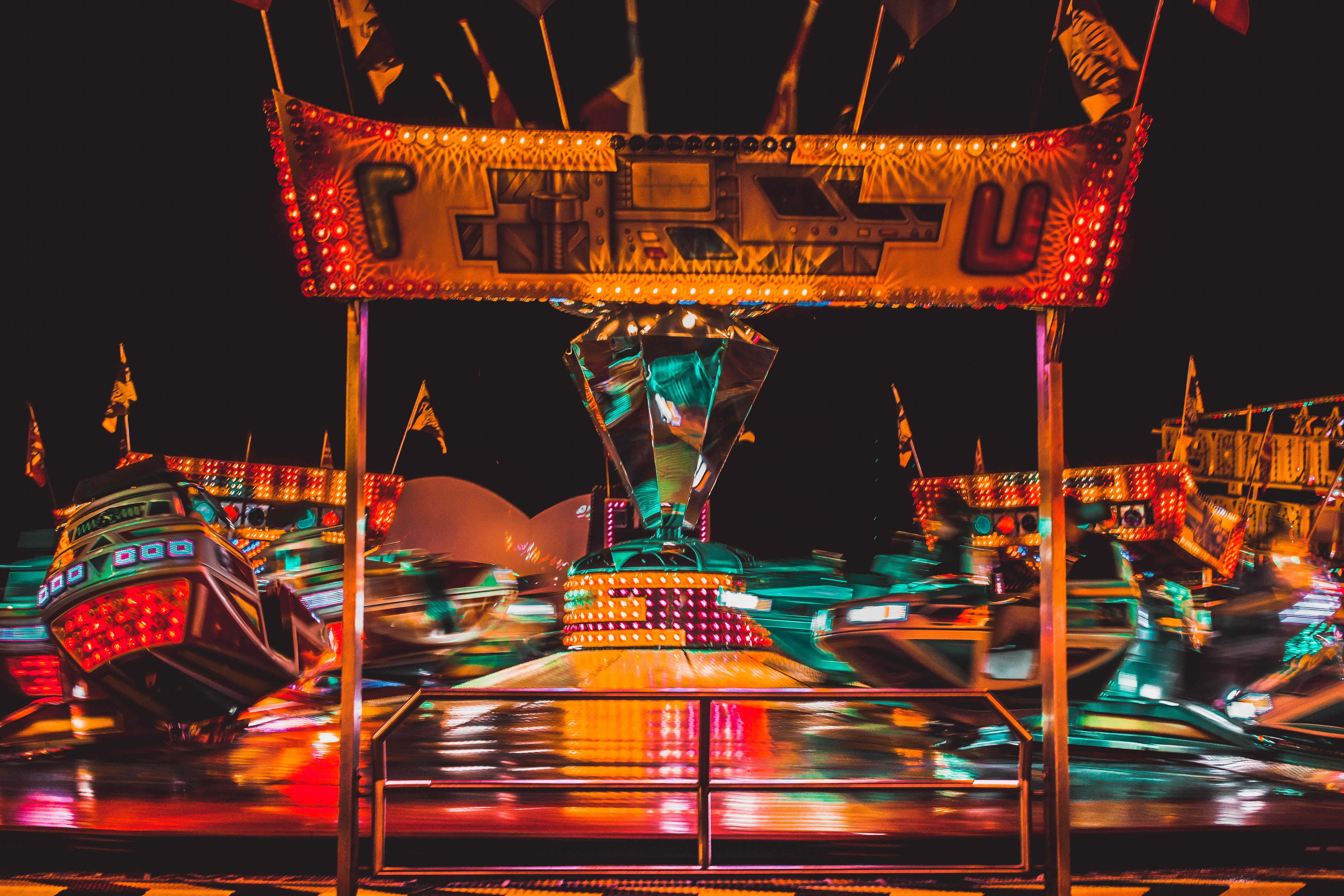
The picture above is an example of a slow shutter speed. The shutter was left open for more time and the sensor was exposed to more light. As a result of a longer shutter speed, the camera can capture more movement. In this image, the movement of the ride is shown with blur and more light was able to be captured by the camera.
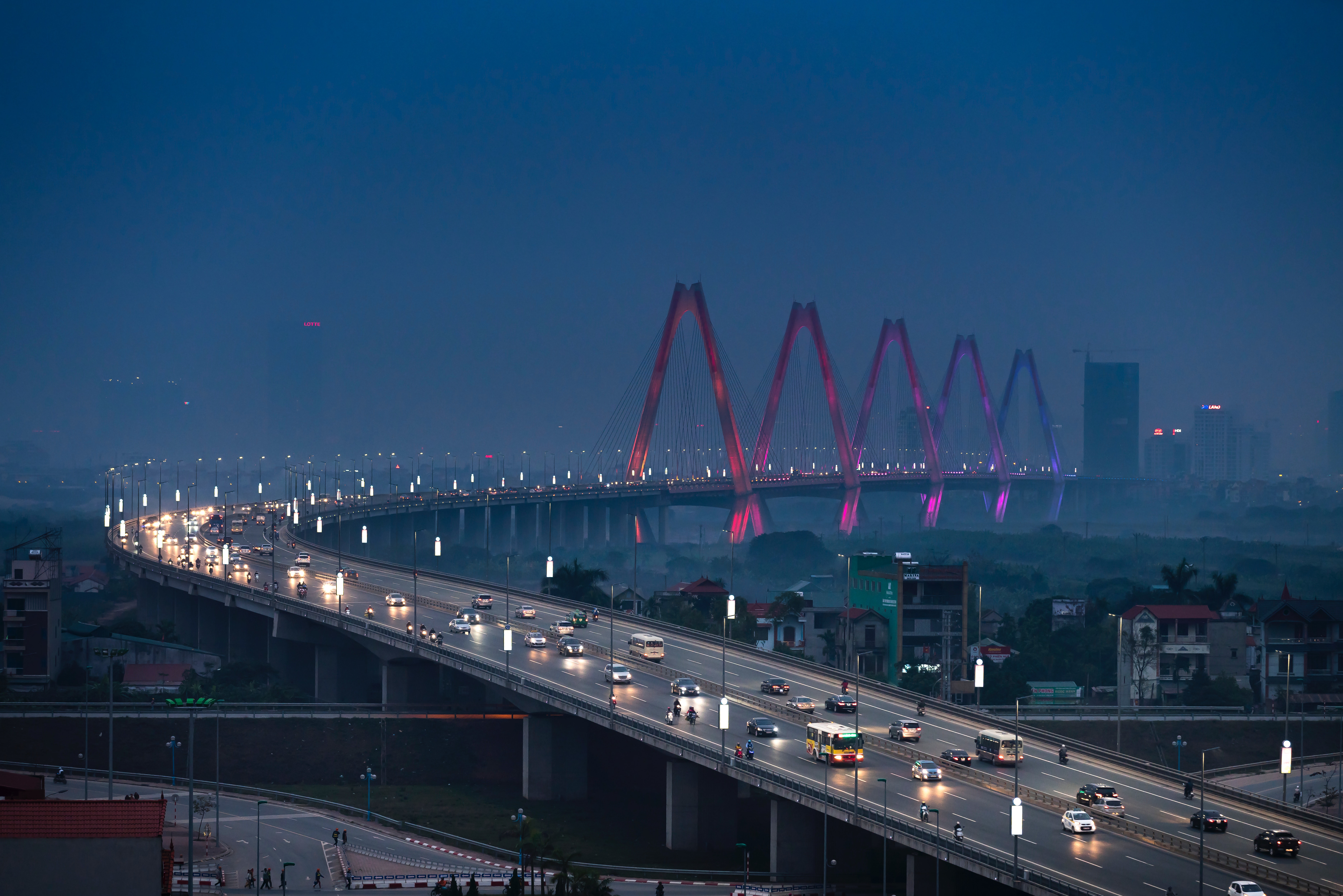
The image above is an example of high ISO. Obviously because the image was taken when it was darker outside, a high ISO was used to lighten the image. ISO, unlike aperture and shutter speed, isn’t a physical setting and is created with the computer inside of the camera. Because of this, images taken with high ISO are prone to have noise, making the image less sharp and fuzzier.
Can the exposure be successfully fixed in post if the photographer is unable to use any of the components of exposure well when taking the photo?
 Madie K Harris Video and Design